Table of Contents for Hennepin County, MN Native or Nearly Native Milkweeds
There are fourteen species of native or nearly native Hennepin County, MN milkweeds (Asclepias spp.) that can be grown for butterflies and other insects. Milkweeds are an important host species for monarch butterflies and others in Minnesota. The monarch butterfly in particular uses the cardenolides found in the milky sap of milkweeds to give an unpleasant taste to predators. These plants are also an important nectar source to all insects visiting your pollinator garden.
General Information about Native Plant and Pollinator Gardens
When planting a native plant and pollinator garden in Hennepin County, MN, you need to ensure that you have a selection of plants providing blooms at different times of the year. In addition to the plants, you need to have a source of water such as a birdbath or water feature, shelter for visitors, and nesting and perching locations for birds. Be sure to also include plants of different heights for perching. Resources you can use for more information on butterfly gardening in Hennepin County, MN include the University of Minnesota (UMN) Bee Lab and Extension, Hennepin County Master Gardener, Minnesota Board of Water and Soil Resources, and the Lake Nokomis Naturescape Gardens.
Location of Hennepin County, Minnesota
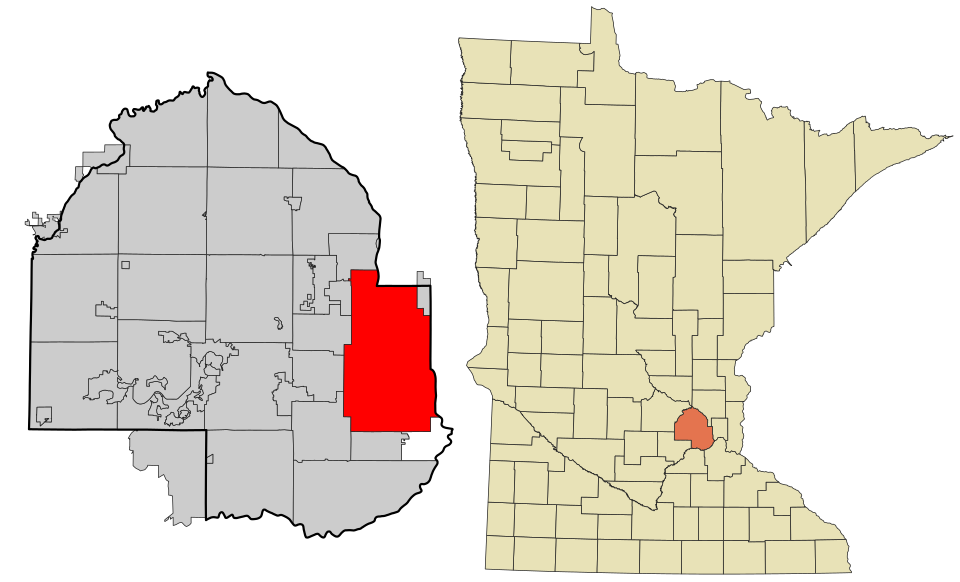
Hennepin County is located in eastern Minnesota. Minneapolis is the largest city in the county.
USDA Plant Hardiness Zones in Hennepin County, Minnesota
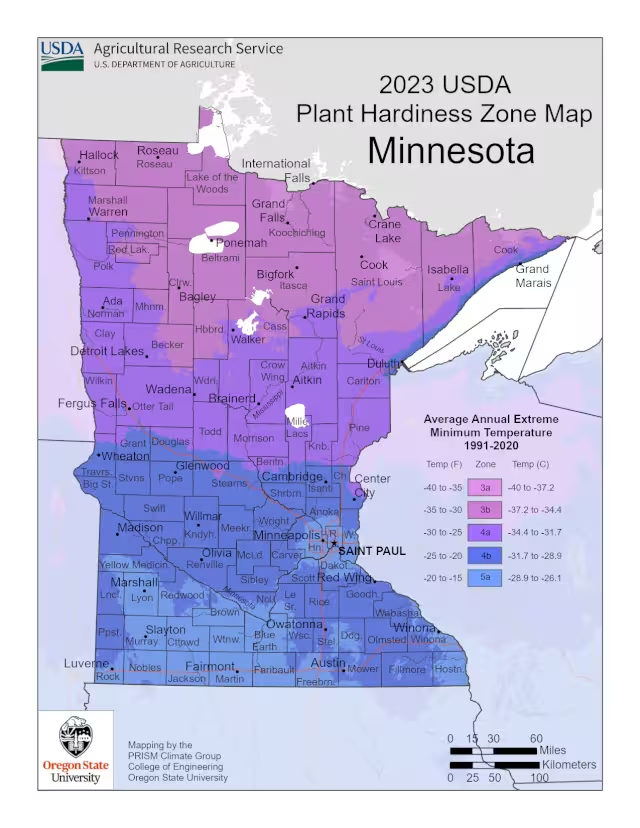
Hennepin County, Minnesota is located within two Plant Hardiness Zones 4b in the western part of the countty to 5a towards the city. When selecting plants in Hennepin County you will want to select plants that can handle at least -250F.
Butterflies in Hennepin County, MN that are Hosted by Milkweeds (Asclepias spp.)
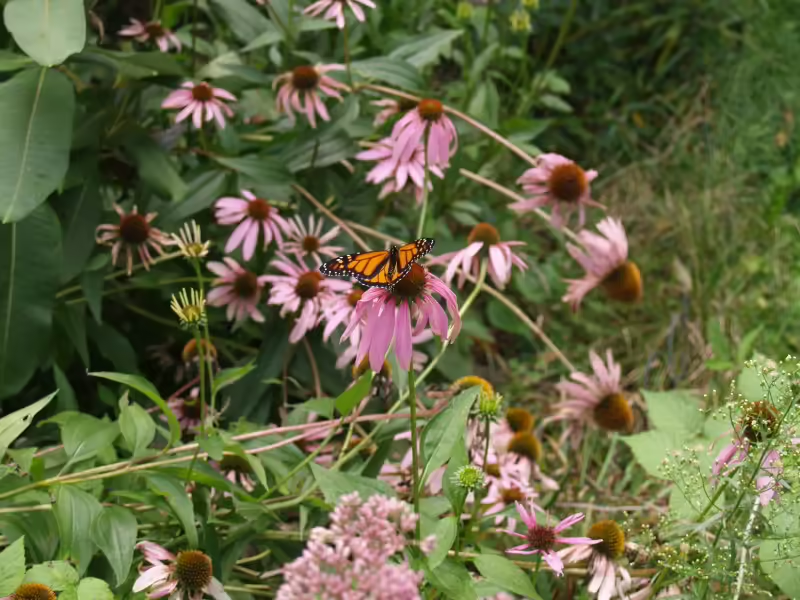
Monarch Butterfly (Danaus plexippus)
The monarch butterfly is an iconic butterfly in North America and is a bell-weather of the environment. Having a distinctive orange color with black stripes, this butterfly has a wingspan of 3 in (7.6 cm) to 5 in (12.7 cm). The monarch butterfly uses milkweed to get cardenolides, a toxin that is distasteful to predators. This butterfly can have several flights a year and is known for its migrations to Mexico each year. However, some populations in California, Arizona, and Florida do not migrate and breed year-round (Urguhart, et al 1968).
List of Milkweeds that are Native or Nearly Native in Hennepin County, Minnesota
1. Clasping Milkweed (Asclepias amplexicaulis), a Milkweed for Dry Sandy/Rocky Soils
Clasping Milkweed is a herbaceous perennial that grows in dry sandy/rocky soils in open areas. This species needs a full sun to partial shade exposure and a lot of lateral space for spreading. The red, blue, brown to pink flowers bloom from March to September.
Suitable companion plants in a butterfly garden include:
- Large-flowered Beardtongue (Penstemon grandiflorus): provides nectar for bumblebees.
- Rough Blazing Star (Liatris aspera): provides a mid-summer to fall nectar source for insects.
- Prairie Tickseed (Coreopsis palmata): provides nectar for hoverflies, which keeps the aphids in check.
- Leadplant (Amorpha canescens): attracts short-tongued bees and pollen-collecting beetles.
- Little Bluestem (Schizachyrium scoparium): provides texture and pupation infrastructure.
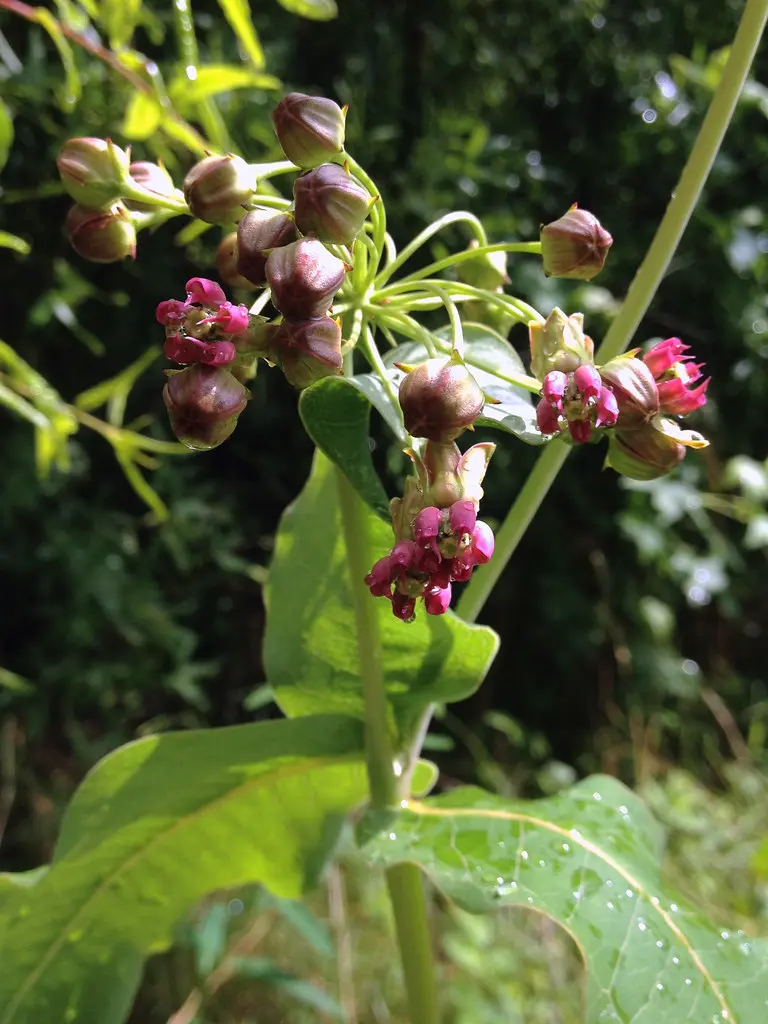
Facts about Clasping Milkweed
- Native to Minnesota: Yes, rare in southeastern counties (Kartesz 2015)
- Native to Hennepin County: No, native in adjacent county
- Natural Habitat: dry woodlands, prairies, meadows, and roadsides — in Minnesota it is found on sparsely vegetated savanna (Minnesota Wildflowers)
- Height: 1 ft (0.3 m) to 3 ft (1.0 m)
- Flower Color: red, blue, green, brown to pink — rarely they are maroon-purple (Uttal 1955)
- Flowering Period: March to September
- USDA Hardiness Zone: 3-9
Gardening with Clasping Milkweed
In your Hennepin County, MN butterfly garden, this milkweed needs full sun to partial shade and dry sandy/rocky soils.
2. Poke Milkweed (Asclepias exaltata), a Milkweed for Moist and Well-drained Soils
Poke milkweed is a herbaceous perennial that generally needs some shading but can handle full sun in moist soils. The white to green flowers with multicolored accents bloom from May to August. The common name of this plant comes from its resemblance to pokeweed (Phytolacca americana).
Suitable companion plants include:
- Red Columbine (Aquilegia canadensis): attracts long-tongued bees and hummingbirds.
- Golden Alexander (Zizia aurea): provides early season color and nectar.
- Great Blue Lobelia (Lobelia siphilitica): provides late season nectar for migrating monarchs and long-tongued bees.
- Blue Wood Aster (Symphyotrichum cordifolium): provides a late season nectar source.
- Bottlebrush Grass (Elymus hystrix): provides texture and pupation infrastructure.
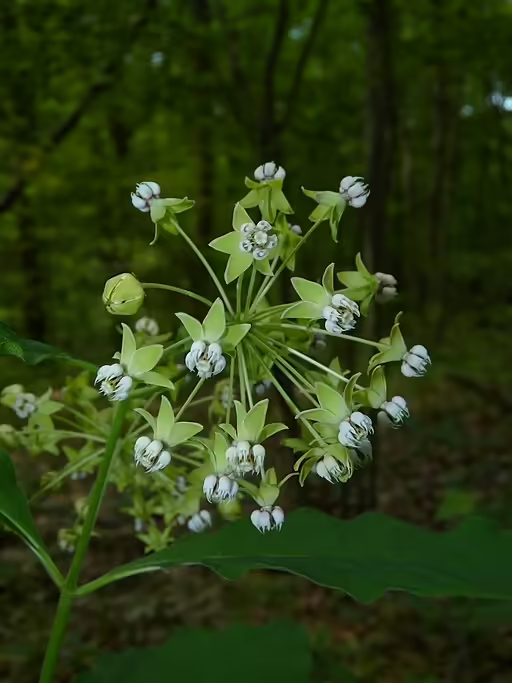
Facts about Poke Milkweed
- Native to Minnesota: Yes (Kartesz 2015)
- Native to Hennepin County: Yes
- Natural Habitat: moist woods, thickets (House 1918 and Bohumil 1906), roadsides and edges (Witmer 1918), woodlands, and meadows
- Height: 2 ft (0.6 m) to 6 feet (2 m)
- Flower Color: white to green with accents of rose, purple, or blue
- Flowering Period: May to August
- USDA Hardiness Zone: 3-9
Gardening with Poke Milkweed
In your Hennepin County, MN butterfly garden, this milkweed needs partial shade, but can handle full sun and dry sandy/rocky soils.
3. Swamp Milkweed (Asclepias incarnata), a Milkweed for Moist Soils
Swamp milkweed is a herbaceous perennial that grows best in moist soils, but can handle medium soils in a garden. It enjoys full sun to partial shade. Plants should have plenty of spacing to ensure air circulation. In the wild, this species is found in wet areas along the shores of waterbodies. The white, pink to purple flowers bloom from July to September.
Potential companion plants in the garden include:
- Cardinal Flower (Lobelia cardinalis): attracts hummingbirds and bumblebees.
- Common Boneset (Eupatorium perfoliatum): gives a white background and attracts parasitoid wasps for aphid control.
- White Turtlehead (Chelone glabra): attracts bumblebees and is a host plant for the Baltimore checkerspot butterfly (Euphydryas phaeton).
- Meadow Blazing Star (Liatris ligulistylis): provides summer nectar.
- Golden Alexander (Zizia aurea): provides early season color.
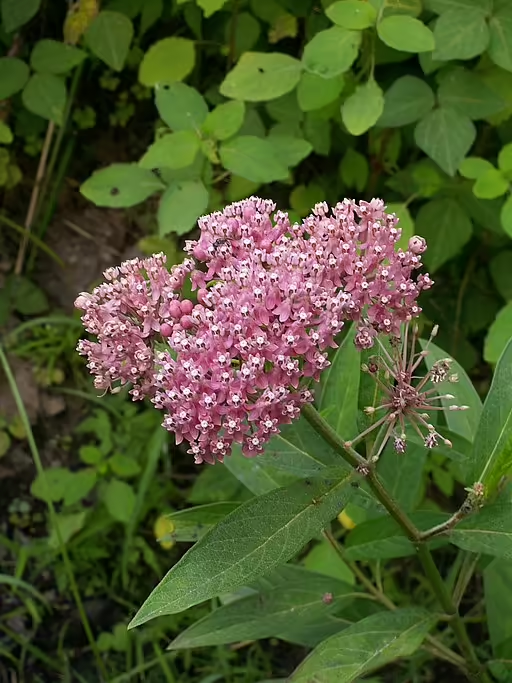
Facts about Swamp Milkweed
Asclepias incarnata spp. incarnata in Minnesota
- Native to Minnesota: Yes, throughout (Kartesz 2015)
- Native to Hennepin County: Yes
- Natural Habitat: shores of streams, lakes, ponds, ditches, wet fields, and meadows
- Height: 3 ft (1.0 m) to 5 ft (1.5 m)
- Flower Color: white, rose, red, pink to purple
- Flowering Period: July to September
- USDA Hardiness Zone: 3a-9b
Gardening with Swamp Milkweed
In your Hennepin County, MN butterfly garden, this milkweed needs partial shade to full sun and moist soils.
4. Side-Cluster Milkweed (Asclepias lanuginosa), a Milkweed for Well-drained Soils
Side-Cluster milkweed is a herbaceous perennial that enjoys full sun and well-drained soils. Plants should be spaced at least 1-2 feet apart in order to have adequate air circulation. In this wild, this species is found in open areas to take advantage of the full sun. The green to cream flowers bloom from May to July.
Companion plants in the garden include:
- Purple Prairie Clover (Dalea purpurea): attracts bees and adds nitrogen to the soil.
- Hoary Puccoon (Lithospermum canescens): nectar source for long-tongued bees.
- Western Silky Aster (Symphyotrichum sericeum): provides late season nectar for migrating monarchs and other insects.
- Leadplant (Amorpha canescens): attracts short-tongued bees and pollen-collecting beetles.
- Blue Grama (Bouteloua gracilis): provides texture and pupation infrastructure.
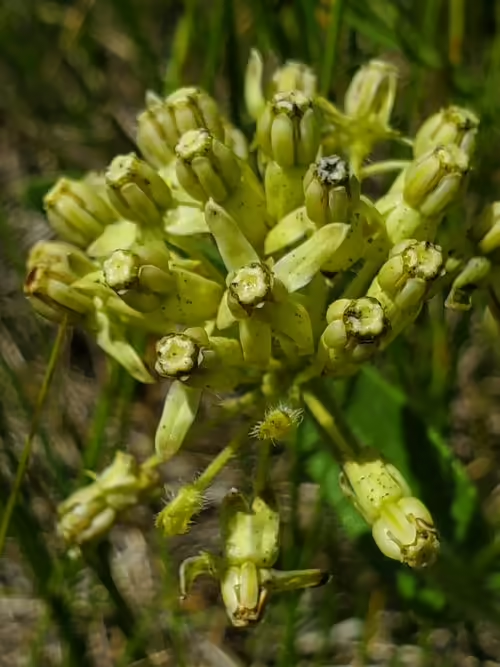
observed in Canada
by Chris Friesen (licensed under http://creativecommons.org/licenses/by/4.0/)
Facts about Side-Cluster Milkweed
- Native to Minnesota: Yes, southeast and western counties (Kartesz 2015)
- Native to Hennepin County: Yes
- Natural Habitat: prairies and sandhills
- Height: 0.5 ft (0.2 m) to 6 ft (2 m)
- Flower Color: green to cream
- Flowering Period: May to August
- USDA Hardiness Zone: 4-7
Gardening with Side-Cluster Milkweed
In your Hennepin County, MN butterfly garden, this milkweed needs full sun and well-drained soils.
5. Long-leaf Milkweed (Asclepias longifolia), a Milkweed for Moist to Wet Soils
Long-leaf milkweed is a herbaceous perennial that requires full sun and moist to wet soils. In the wild, this plant grows in moist areas and wetlands. It has greenish-white flowers that bloom from April to July.
Suitable companions for this species in a Hennepin County butterfly garden include:
- Purple Prairie Clover (Dalea purpurea): attracts bees and adds nitrogen to the soil.
- Rattlesnake Master (Eryngium yuccifolium): attracts short-tongued bees and wasps.
- Smooth Blue Aster (Symphyotrichum laeve): provides late season nectar for migrating monarchs and other insects.
- Virginia Mountain Mint (Pycnanthemum virginianum): attracts wasps to keep the aphid population in check.
- Little Bluestem (Schizachyrium scoparium): provides texture and pupation infrastructure.
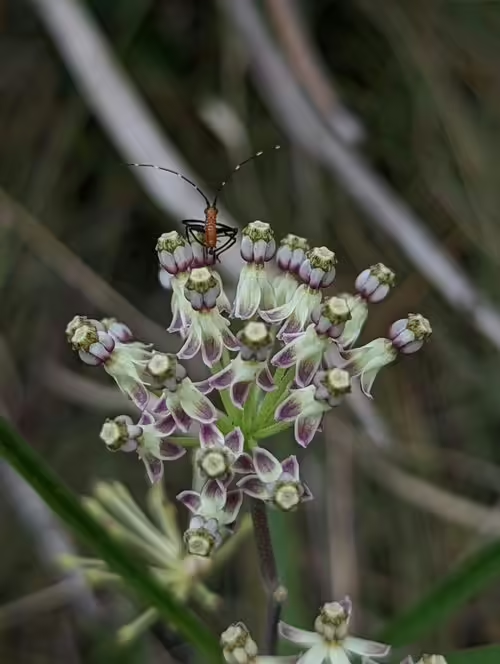
observed in United States of America
by Justin (licensed under CC0 1.0)
Facts about Long-leaf Milkweed
Asclepias longifolia var. hirtella in Minnesota
- Native to Minnesota: Yes, rare in one county in southern Minnesota (Kartesz 2015)
- Native to Hennepin County: No
- Natural Habitat: bogs, swamps, wet flatwoods, and moist prairies
- Height: 1 ft (0.3 m) to 2.5 ft (0.8 m)
- Flower Color: greenish-white with purple tinge
- Flowering Period: April to July
- USDA Hardiness Zone: 4-10
Gardening with Long-leaf Milkweed
In your Hennepin County, MN butterfly garden, this milkweed needs full sun and moist to wet soils.
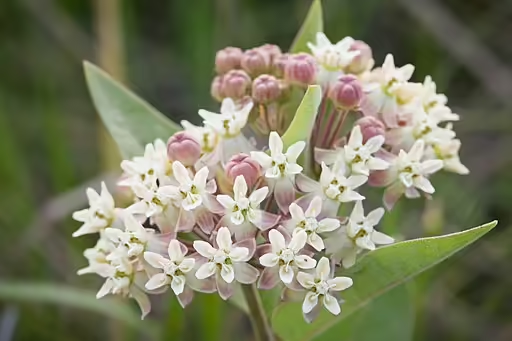
6. Oval-leaf Milkweed (Asclepias ovalifolia), a Milkweed for Well-drained Soils
Oval-leaf milkweed is a herbaceous perennial that likes full sun to part-shade and well-drained soils. In the wild, this species is found open areas that generally have full sun. The white, pinkish, or green flowers bloom from May to August.
Potential companions in a butterfly garden that will provide a variety of color and texture include:
- Leadplant (Amorpha canescens): provides soil nitrogen.
- Rough Blazing Star (Liatris aspera): summer nectar source.
- Sky Blue Aster (Symphyotrichum oolentangiense): provides late season nectar for migrating monarchs and other insects.
- Slender Beardtongue (Penstemon gracilis): provides nectar for long-tongued bees.
- Junegrass (Koeleria macrantha): provides texture and pupation infrastructure.
Facts about Oval-leaf Milkweed
- Native to Minnesota: Yes, generally throughout (Kartesz 2015)
- Native to Hennepin County: Yes
- Natural Habitat: tallgrass prairies on slopes (Caitling and Kostiuk 2006), grasslands and savannas (Timoney and Robinson 1998), alluvial terraces (Vanderhorst and Cooper 1998), and railroad edges (Woodson 1954)
- Height: up to 2 ft (0.6 m)
- Flower Color: white, pinkish, or green with a purplish tinge
- Flowering Period: May to August
- USDA Hardiness Zone: 5-9
Gardening with Oval-leaf Milkweed
In your Hennepin County, MN butterfly garden, this milkweed needs full sun to part shade and well-drained soil. Even though this milkweed is native to the area, it may experience some cold stress since it is barely into its plant hardiness zone.
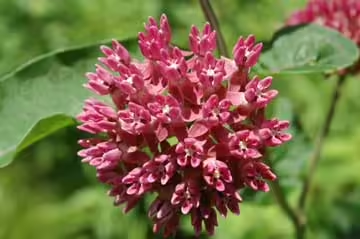
7. Purple Milkweed (Asclepias purpurascens), a Milkweed for Moist, Well-drained Soils
Purple milkweed is herbaceous perennial that likes moist, well-drained soils, but can handle dry in full sun or part shade. However, more shade is preferred. In the wild, it grows in swamps, woodlands, and meadows. The purple, deep rose to pink flowers bloom from May to July.
Potential companion species in a butterfly garden include:
- Anise Hyssop (Agastache foeniculum): attracts long-tongued bees and hummingbird moths.
- Golden Alexander (Zizia aurea): provides early spring color and nectar.
- Sky Blue Aster (Symphyotrichum oolentagiense): provides late season nectar for migrating monarchs and other insects.
- Virginia Mountain Mint (Pycnanthemum virginianum): attracts wasps to keep the aphid population low.
- Bottlebrush Grass (Elymus hystrix): provides texture and pupation infrastructure.
Facts about Purple Milkweed
- Native to Minnesota: Yes, rare in one southeastern county (Kartesz 2015)
- Native to Hennepin County: No
- Natural Habitat: swamps, woodlands, meadows, bottomlands, roadsides and dry fields (Angelo and Boufford 2013), and thickets.
- Height: 2 ft (0.6 m) to 6 ft (2 m)
- Flower Color: purple, deep rose, to pink. Becoming more purple with age
- Flowering Period: May to July
- USDA Hardiness Zone: 3-8
Gardening with Purple Milkweed
In your Hennepin County, MN butterfly garden, this milkweed needs full sun to partial sun and moist, well-drained soil.
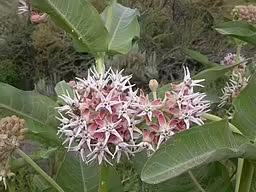
8. Showy Milkweed (Asclepias speciosa), a Milkweed for Medium Well-drained Soils
Showy milkweed is a herbaceous perennial and one of the most commonly planted milkweeds. It is a small to medium sized plant that can be used in containers. In the wild this species grows in fields where it can get full sun. It has purple to pink flowers that bloom from April to June.
Potential companion plants in a butterfly garden include:
- Virginia Mountain Mint (Pycnanthemum virginianum): attracts wasps and keeps the aphid populations low.
- Pale Purple Coneflower (Echinacea pallida): summer nectar source for insects.
- Smooth Blue Aster (Symphyotrichum laeve): provides late season nectar for migrating monarchs and other insects.
- Anise Hyssop (Agastache foeniculum): provides nectar for long-tongued bees.
- Little Bluestem (Schizachyrium scoparium): provides texture and pupation infrastructure.
Facts about Showy Milkweed
- Native to Minnesota: Yes, generally throughout (Kartesz 2015)
- Native to Hennepin County: No
- Natural Habitat: roadsides, fields, and woodlands
- Height: 1 ft (0.3 m) to 3 ft (1 m)
- Flower Color: purple to pink
- Flowering Period: April to June
- USDA Hardiness Zone: 3-9
Gardening with Showy Milkweed
In your Hennepin County, MN butterfly garden, this milkweed needs full sun and medium to well-drained soil. This is one of the more planted milkweeds in the United States and is native to Minnesota.
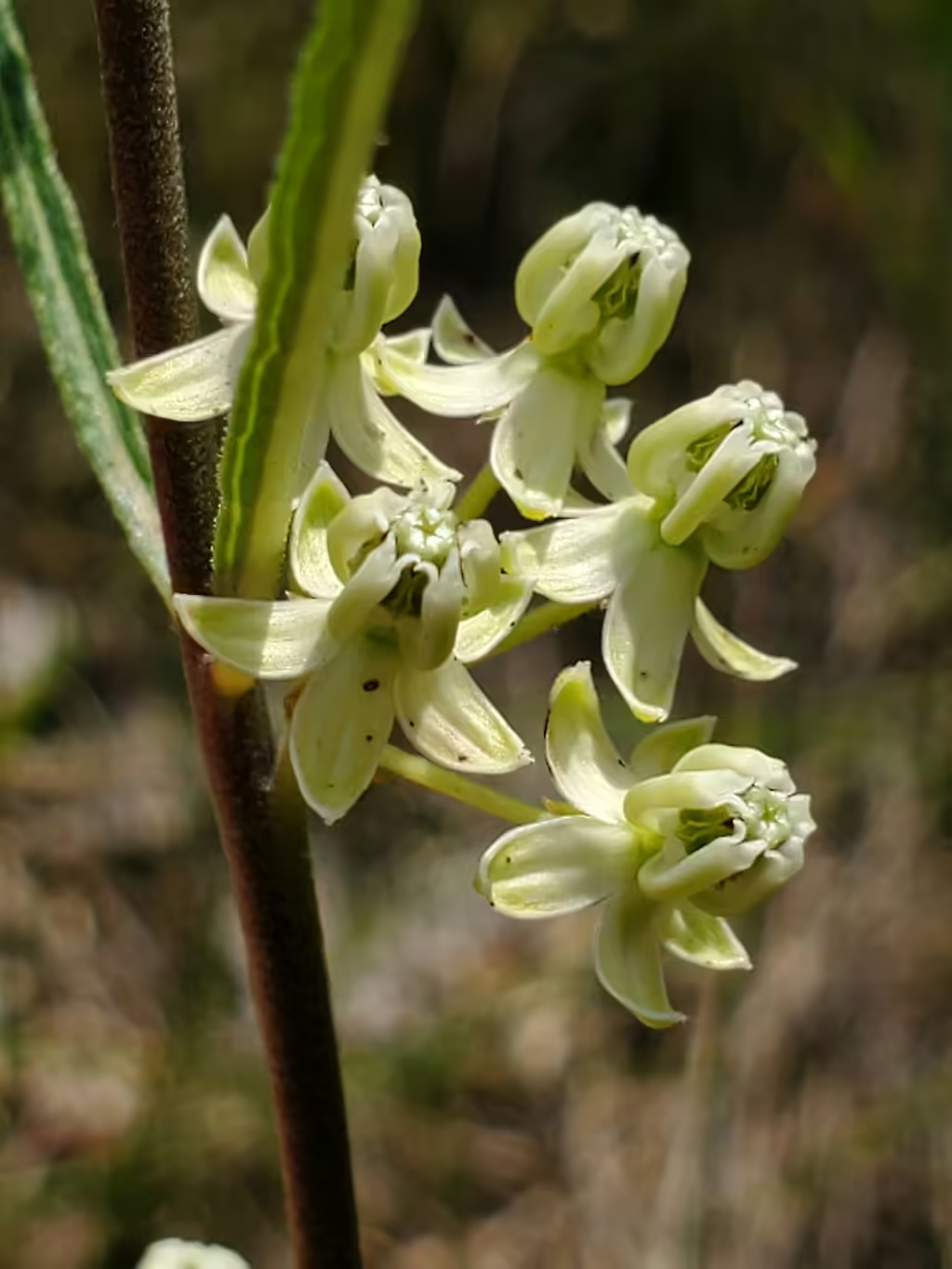
9. Slim-leaf Milkweed (Asclepias stenophylla), a Milkweed for Dry Sandy Soils
Mojave milkweed is a herbaceous perennial that requires full sun and dry sandy soils. The greenish-white flowers bloom from June to August.
Suitable companion plants to compliment this species in a butterfly garden include:
- Purple Prairie Clover (Dalea purpurea): attracts bees and adds nitrogen to the soil.
- Narrow-leaved Purple Coneflower (Echinacea angustifolia): attracts native bumblebees and swallowtail butterflies, while not competing for moisture with the milkweeds.
- Aromatic Aster (Symphyotrichum oblongifolium): provides late season nectar for migrating monarchs and other insects.
- Leadplant (Amorpha canescens): attracts short-tongued bees and pollen-collecting beetles, as well as nitrogen to the soil.
- Blue Grama (Bouteloua gracilis): provides texture and pupation infrastructure.
Facts about Slim-leaf Milkweed
- Native to Minnesota: Yes, rare in one southeastern county (Kartesz 2015)
- Native to Hennepin County: No
- Natural Habitat: dry, gravel prairies, and sandy areas
- Height: 0.8 ft (0.2 m) to 3 ft (1.0 m)
- Flower Color: greenish-white
- Flowering Period: June to August
- USDA Hardiness Zone: 3-9
Gardening with Slim-leaf Milkweed
In your Hennepin County, MN butterfly garden, this milkweed needs full sun and dry, sandy or gravelly soils.
10. Prairie Milkweed (Asclepias sullivantii), a Milkweed for Medium to Dry Sandy Soils
Prairie milkweed is a herbaceous perennial that likes full sun and medium to dry sandy soils. In the wild, as the name would suggest, it grows in prairies, meadows, and roadsides.The pink to purplish flowers bloom from June to July.
Suitable companion plants include:
- Rattlesnake Master (Eryngium yuccifolium): attracts native wasps and short-tongued bees.
- Meadow Blazing Star (Liatris ligulistylis): provides a summer nectar source for insects and likes the same soil conditions.
- New England Aster (Symphyotrichum novae-angliae): late-season nectar source for migrating monarchs and other insects.
- Virginia Mountain Mint (Pycnanthemum virginianum): provides nectar for predatory wasps to keep the aphid populations low.
- Prairie Dropseed (Sporobolus heterolepis): provides texture and pupation infrastructure.
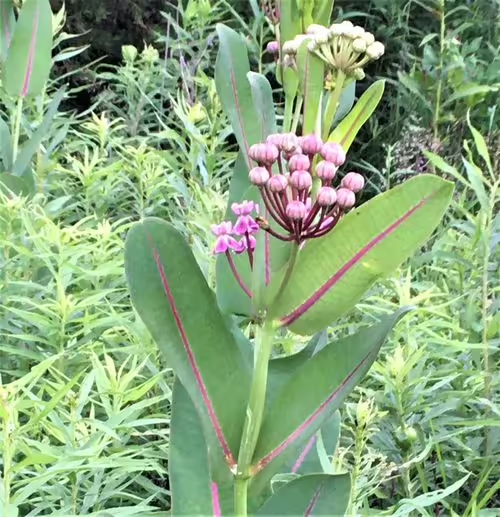
observed in United States of America
by Nancy Navarre (licensed under CC0 1.0)
Facts about Prairie Milkweed
- Native to Minnesota: Yes, rare southern and central counties (Kartesz 2015)
- Native to Hennepin County: No, native to adjacent county
- Natural Habitat: prairies, meadows, railroad edges, and roadsides
- Height: 2 ft (0.6 m) to 5 ft (1.5 m)
- Flower Color: pink to purplish
- Flowering Period: June to July
- USDA Hardiness Zone: 3-7
Gardening with Prairie Milkweed
In your Hennepin County, MN butterfly garden, this milkweed needs full sun and medium to dry sandy soils.
11. Common Milkweed (Asclepias syriaca), a Milkweed for all soils
Common milkweed is a herbaceous perennial that likes full sun to part shade and medium to dry well-drained soils. In the wild, this species likes open areas. The greenish-purple to greenish-white to white flowers bloom from June to August.
Suitable companion plants in a butterfly garden include:
- Virginia Mountain Mint (Pycnanthemum virginianum): provides nectar for wasps to keep the aphid populations in check.
- Wild Bergamot (Monarda fistulosa): attracts native bumblebees, long-tongued bees, and sphinx moths.
- New England Aster (Symphyotrichum novae-angliae): provides late season nectar for migrating monarchs and other insects. It also has attractive purple flowers.
- Rattlesnake Master (Eryngium yuccifolium): attracts soldier beetles and tachnid flies.
- Switchgrass (Panicum virgatum): provides texture and pupation infrastructure.
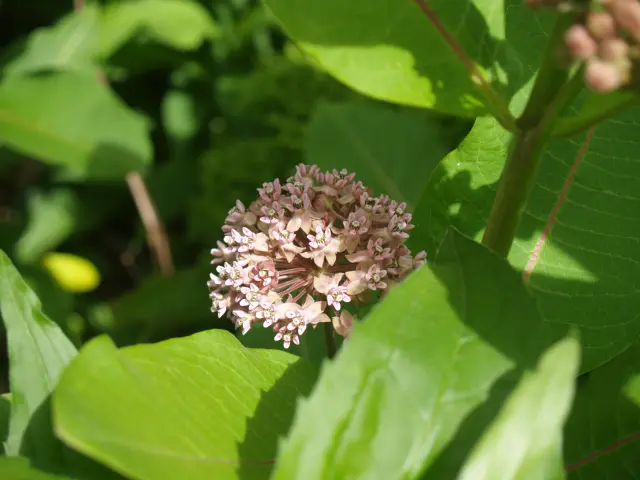
Facts about Common Milkweed
- Native to Minnesota: Yes, throughout (Kartesz 2015)
- Native to Hennepin County: Yes
- Natural Habitat: grasslands, waste and disturbed lands, and roadsides
- Height: up to 6 ft (2.0 m)
- Flower Color: pink, greenish-purple to greenish-white to white
- Flowering Period: June to August
- USDA Hardiness Zone: 3-9
Gardening with Common Milkweed
In your Hennepin County, MN butterfly garden, this milkweed needs full sun or part-shade and medium to dry well-drained soils.
12. Butterfly Weed (Asclepias tuberosa), a Milkweed for Medium to Moist Sandy Well-drained Soils
Butterfly Weed is a herbaceous perennial that enjoys full sun and can handle most soil conditions. In the United States, it is one of two milkweeds, that does not produce milky sap. In the wild, it is found in open areas where it can take advantage of the full sun. The orange to yellow flowers bloom from June to October.
Possible companion plants in a butterfly garden with butterfly weed include:
- Rough Blazing Star (Liatris aspera): provides nectar for butterflies and other insects.
- Narrow-leaved Purple Coneflower (Echinacea angustifolia): attracts native bumblebees and swallowtail butterflies, while not competing for moisture with the milkweeds.
- Purple Prairie Clover (Dalea purpurea): provides nectar for short-tongued bees.
- Leadplant (Amorpha canescens): attracts short-tongued bees and pollen-collecting beetles, as well as nitrogen to the soil.
- Little Bluestem (Schizachyrium scoparium): provides texture and pupation infrastructure.
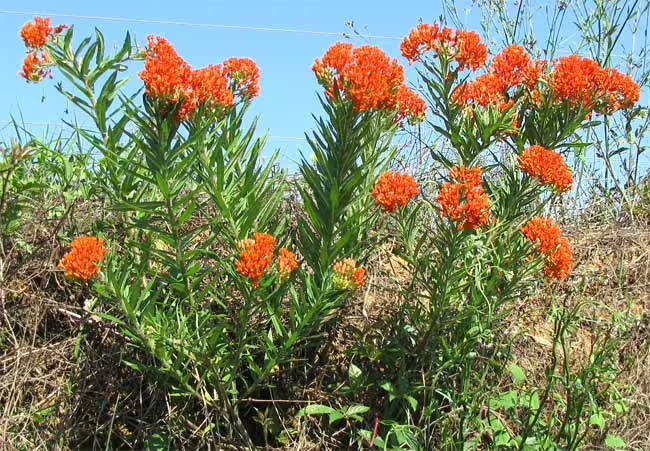
Facts about Butterfly Weed
Asclepias tuberosa ssp. interior in Minnesota
- Native to Minnesota: Yes, generally throughout (Kartesz 2015)
- Native to Hennepin County: Yes
- Natural Habitat: fields, roadsides, and open woods
- Height: 1 ft (0.3 m) to 3 ft (1.0 m)
- Flower Color: orange, sometimes yellow
- Flowering Period: June to October
- USDA Hardiness Zone: 3-9
Gardening with Butterfly Weed
In your Hennepin County, MN butterfly garden, this milkweed needs full sun and tolerate most soils.
13. Whorled Milkweed (Asclepias verticillata), a Milkweed for Medium to Dry Soils
Woolly milkweed is a herbaceous perennial that needs full sun to part shade and medium to dry soils. In the wild, this species is found in open areas. The green to white flowers bloom from April to September.
Companion plants to this species in a butterfly garden include:
- Purple Prairie Clover (Dalea purpurea): attracts bees and adds nitrogen to the soil.
- Ozark Sundrops (Oenothera macrocarpa): attracts hawkmoths and night-flying bees.
- Aromatic Aster (Symphyotrichum oblongifolium): provides late season nectar for migrating monarchs and other insects.
- Large-flowered Beardtongue (Penstemon grandiflorus): nectar source for long-tongued bees and bumblebees.
- Blue Grama (Bouteloua gracilis): provides texture and pupation infrastructure.
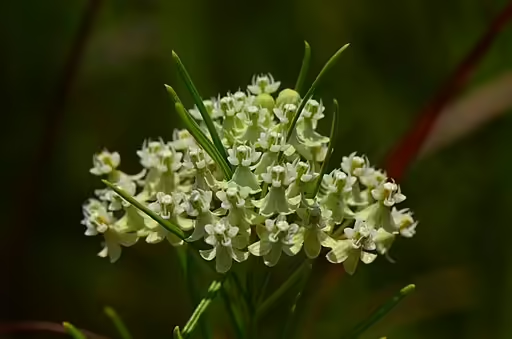
Facts about Whorled Milkweed
- Native to Minnesota: Yes, in central and southern counties (Kartesz 2015)
- Native to Hennepin County: Yes
- Natural Habitat: prairies, fields, meadows, pine sandhills, rock outcrops, and roadsides
- Height: 1 ft (0.3 m) to 3 ft (1.0 m)
- Flower Color: green to white, sometimes with a purplish tinge
- Flowering Period: April to September
- USDA Hardiness Zone: 3-9
Gardening with Whorled Milkweed
In your Hennepin County, MN butterfly garden, this milkweed needs full sun to part shade and medium to dry soils.
14. Green Comet Milkweed (Asclepias viridiflora), a Milkweed for Medium to Dry Sandy Soils
Green Comet milkweed is a herbaceous perennial that needs full sun to part shade and medium to dry sandy soils. In the wild, this species is found in open areas. The green flowers bloom from July to August.
Companion plants to this species include:
- Purple Prairie Clover (Dalea purpurea): attracts bees and adds nitrogen to the soil.
- Narrow-leaved Purple Coneflower (Echinacea angustifolia): attracts native bumblebees and swallowtail butterflies, while not competing for moisture with the milkweeds.
- Aromatic Aster (Symphyotrichum oblongifolium): provides late season nectar for migrating monarchs and other insects.
- Leadplant (Amorpha canescens): attracts short-tongued bees and pollen-collecting beetles.
- Blue Grama (Bouteloua gracilis): provides texture and pupation infrastructure.
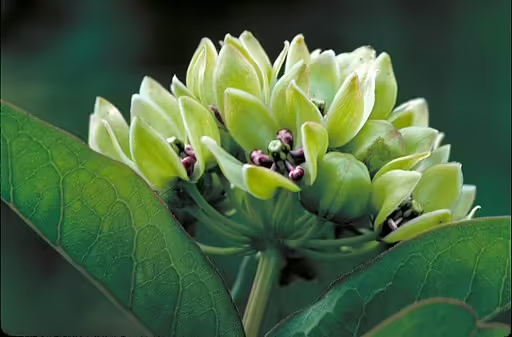
Facts about Green Comet Milkweed
- Native to Minnesota: Yes, in central, southern and western counties (Kartesz 2015)
- Native to Hennepin County: Yes
- Natural Habitat: fields, dunes and prairies, shaded roadsides, forest borders, and railroads
- Height: 1 ft (0.3 m) to 3 ft (1.0 m)
- Flower Color: green but becoming yellow-green to purple-green with age
- Flowering Period: July to August
- USDA Hardiness Zone: 3-9
Gardening with Green Comet Milkweed
In your Hennepin County, MN butterfly garden, this milkweed needs full sun to part shade and medium to dry sandy soils.
When selecting your Hennepin County, MN milkweed(s), be sure to make sure that it grows in your zone and habitat.
Books where you can find out more about Monarchs and Butterfly Gardening in Hennepin County, MN
- Branhagen, Alan. 2016. Native Plants of the Midwest: A Comprehensive Guide to the Best 500 Species for the Garden. Timber Press.
- Daniels, Jaret C. 2023. Butterflies of the Midwest Field Guide. Adventure Publications. 280 pp.
- Nauseef, Judy. 2016. Gardening with Native Plants in the Upper Midwest: Bringing the Tallgrass Prairie Home. University of Iowa Press. 132 pp.
- Nowak, Mariette. 2012. Birdscaping in the Midwest: A Guide to Gardening with Native Plants to Attract Birds. University of Wisconsin Press. 352 pp.
- Schumacher, Jamie and Andrea Swensson. 2021. Butterflies and Tall Bikes: West Bank Stories of Community, Creativity and Change. Wise Ink. 320 pp.
- Steiner, Lynn. 2005. Landscaping with Native Plants of Minnesota. Voyageur Press. 191 pp.
Affiliate Disclosure: When you click on links to various merchants on this site and make a purchase, this site can earn a commission at no extra cost to you. Affiliate programs include, but are not limited to, the eBay Partner Network, BetterWorldBooks, and Blackwell’s Books.
References for Hennepin County, MN Milkweeds
- Angelo, Ray and David E. Boufford. 2013. Atlas of the Flora of New England: Families of Vols. 6 & 14: Flora of North America. Phytoneuron 2013-45: 1-23.
- Bohumil, Shimek. 1906. Flora of Winneshiek County. Des Moines, IA. (Book)
- Caitling, Paul M. and Brenda Kostiuk. 2006. Tallgrass Prairie in the Whitewood Area of Saskatchewan. Blue Jay 64: 72-83.
- House, Homer. 1918. Wild flowers of New York. Memoirs of the New York State Museum no. 15.
- Timoney, Kevin and Anne Robinson. 1998. A floristic and landscape survey of the Ft. Assiniboine Sandhills Wildland Park. Sherwood Park Alta, Treeline Ecological Reserch.
- Uttal, Leonard J. 1955. A dark-hooded variant of Asclepias amplexicaulis. Rhodora 57: 336-337.
- Vanderhorst, James P. and Stephen V. Cooper. 1998. Botanical and vegetation survey of Carter County, Montana. Bureau of Land Management-adminstered lands. Helena, MT: Montana Natural Heritage Program.
- Witmer, Stone. 1911. The plants of Southern New Jersey; with especial reference to the flora of the Pine Barrens and geographic distribution of the species. Trenton, NJ. (Book)
- Woodson, Robert E. 1954. The North American Species of Asclepias L. Annals of the Missouri Botanical Garden 41: 1-211.