Skip to content

Scarlet Beebalm
(Monarda didyma)

Nectar Plant: many insects including other butterflies, bees, and wasps.

Flower Color: white, pink to purple

Growth Habit: herbaceous annual

Flowering Time: July to September

Range in North America: Eastern

Exposure: Prefers full sun to partial shade

Hardiness: 4-9

Soil Requirements: medium to moist, rich, well-drained soils

Affiliate Disclosure: When you click on links to various merchants on this site and make a purchase, this can result in this site earning a commission. Affiliate programs and affiliations include, but are not limited to, the eBay Partner Network.

Scarlet Beebalm (Monarda didyma)
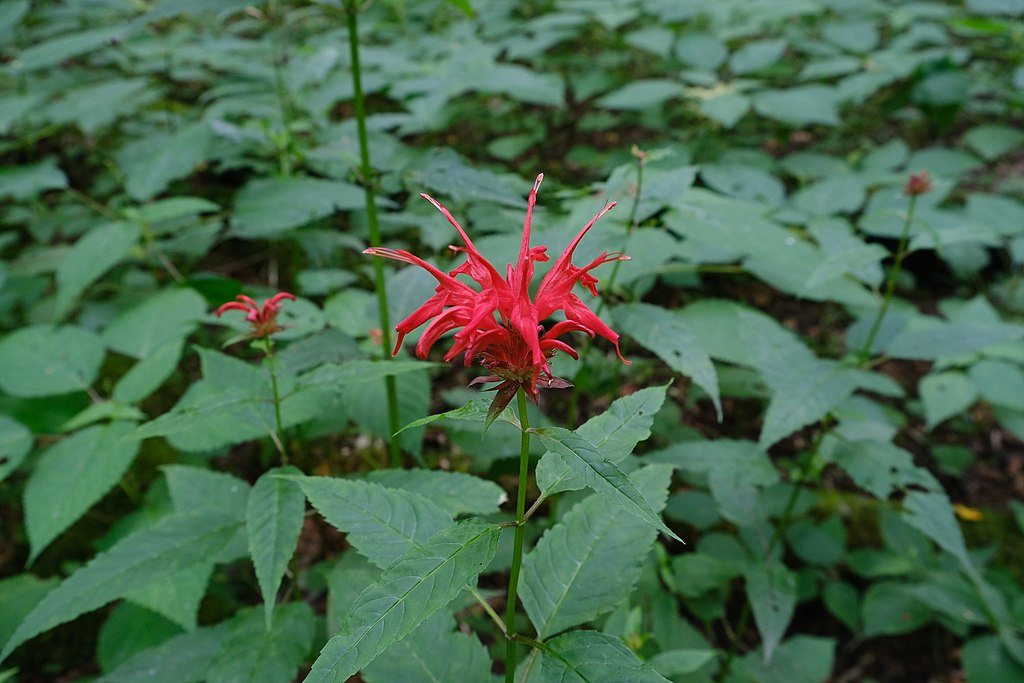
Red flowers of bee-balm (Monarda didyma).

Scarlet Beebalm (Monarda didyma), a member of the Lamiaceae (Mint Family), is a herbaceous annual that grows to from 2′ to 4′ tall and blooms in the summer (July to September).  This plant grows in open areas with full sun or partial shade such as streambanks and wooded areas.  More information can be found on this blog post.


Alternative Names

Oswego-Tea and Crimson Beebalm


Hosted Species

Scarlet beebalm (Monarda didyma) hosts the hermit sphinx moth (Sphinx eremitus) and several other moths.


Range in the United States and Canada
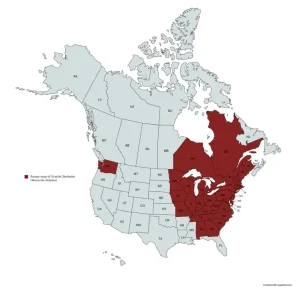
Range map of scarlet beebalm (Monarda didyma).
Range of Scarlet Beebalm from mapchart.

Scarlet Beebalm (Monarda didyma) is native to eastern North America.

Interesting Facts

The genus name, Monarda, is in honor of a doctor from Spain, Nicholas Monardes (Missouri Botanical Garden).  The species name, didyma, comes from the Latin for “in two parts.”

Reviews

There are no reviews yet.

Be the first to review “Scarlet Beebalm
(Monarda didyma)”

Your email address will not be published. Required fields are marked *