Skip to content
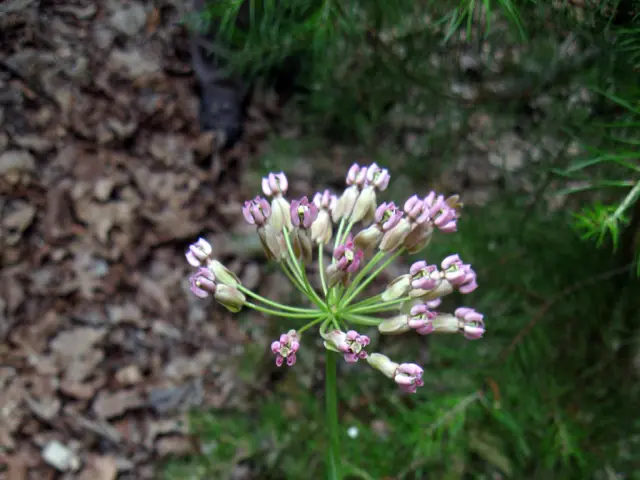
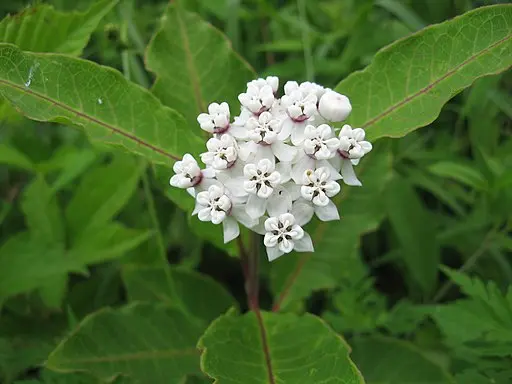
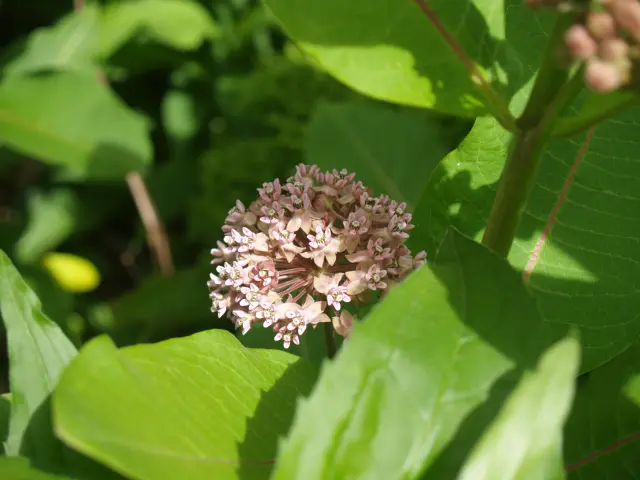
Close-up of white flower cluster of Red-ring milkweed (Asclepias variegata), a New York milkweed.

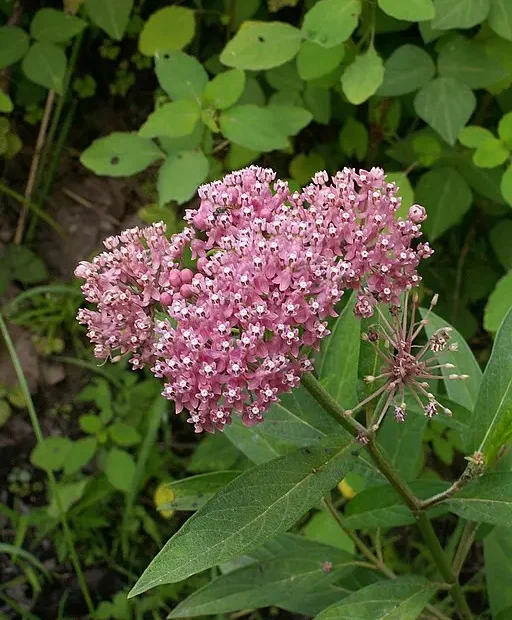
10 New York Milkweeds (Asclepias spp.) to Grow for Monarch Butterflies

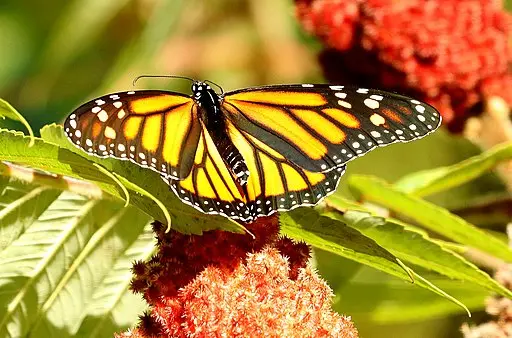
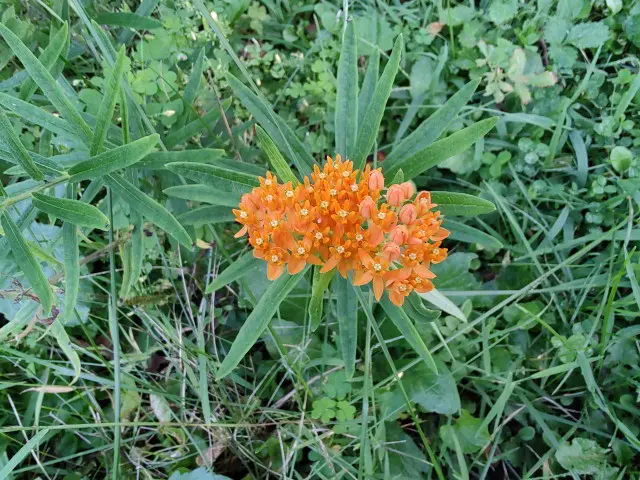
There are ten species of New York milkweeds (Asclepias spp.) and one species, red milkweed (Asclepias rubra) that used to be present in New York and is considered “historic” to the state. Milkweeds are an important host species for Monarch, Queen, and Soldier Butterflies. The Monarch butterfly in particular uses the cardenolides found in the milky sap of milkweeds to give an unpleasant taste to predators. These plants are also an important nectar source to all insects visiting your pollinator garden.

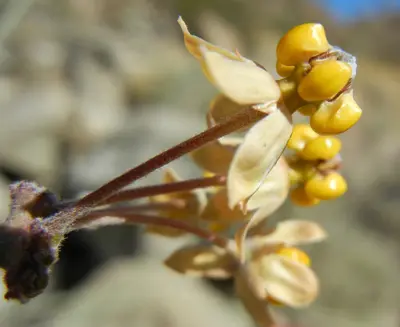
Yellowish flower of Whitestem Milkweed (Asclepias albicans).

A Comprehensive Guide to White-stem Milkweed (Asclepias albicans)

How does a plant completely abandon its leaves to survive the brutal xeric extremes of the Sonoran Desert while remaining an elite larval host for native pollinators? We look at the breathtaking architecture and survival mechanics of White-stem Milkweed (Asclepias albicans). From its sticklike, glaucous stems coated in thick epicuticular wax to its complex umbels featuring reflexed corollas and bulbous hoods, discover the evolutionary adaptations that allow this 3-meter specimen to thrive. Read on to master the exact grit-heavy substrate profiles and zero-supplemental irrigation thresholds required to safely cultivate this structural masterpiece without triggering root-zone hypoxia or fungal rot.