Table of Contents for Flagstaff Ragwort (Senecio actinella)
Flagstaff Ragwort (Senecio actinella) is a herbaceous perennial that is native in the states of Arizona and New Mexico. This species is a host to the northern metalmark (Calephelis borealis), American lady (Vanessa virginiensis), and the painted lady (V. cardui) butterflies. Growing from 0.2 feet to 1.5 feet tall, this species grows in rocky pinelands. The yellow flowers bloom from May to August and the plant is hardy roughly in zones 6-7.
Taxonomy and Naming of Flagstaff Ragwort (Senecio actinella)
Taxonomy
Flagstaff Ragwort (Senecio actinella) was originally named and described by Edward Lee Greene, an American botanist in 1883. It has kept this same name since and is a member of the Aster Family (Asteraceae).
Meaning of the Scientific and Common Names
Scientific Name
The genus name, Senecio, derives from the Latin “Senex,” which means “old man” (Wikipedia). The species name, actinella, comes from a Greek meaning “ray,” presumably for the flowers.
Common Name and Alternative Names
The common name comes from the native location of the species.
Physical Description
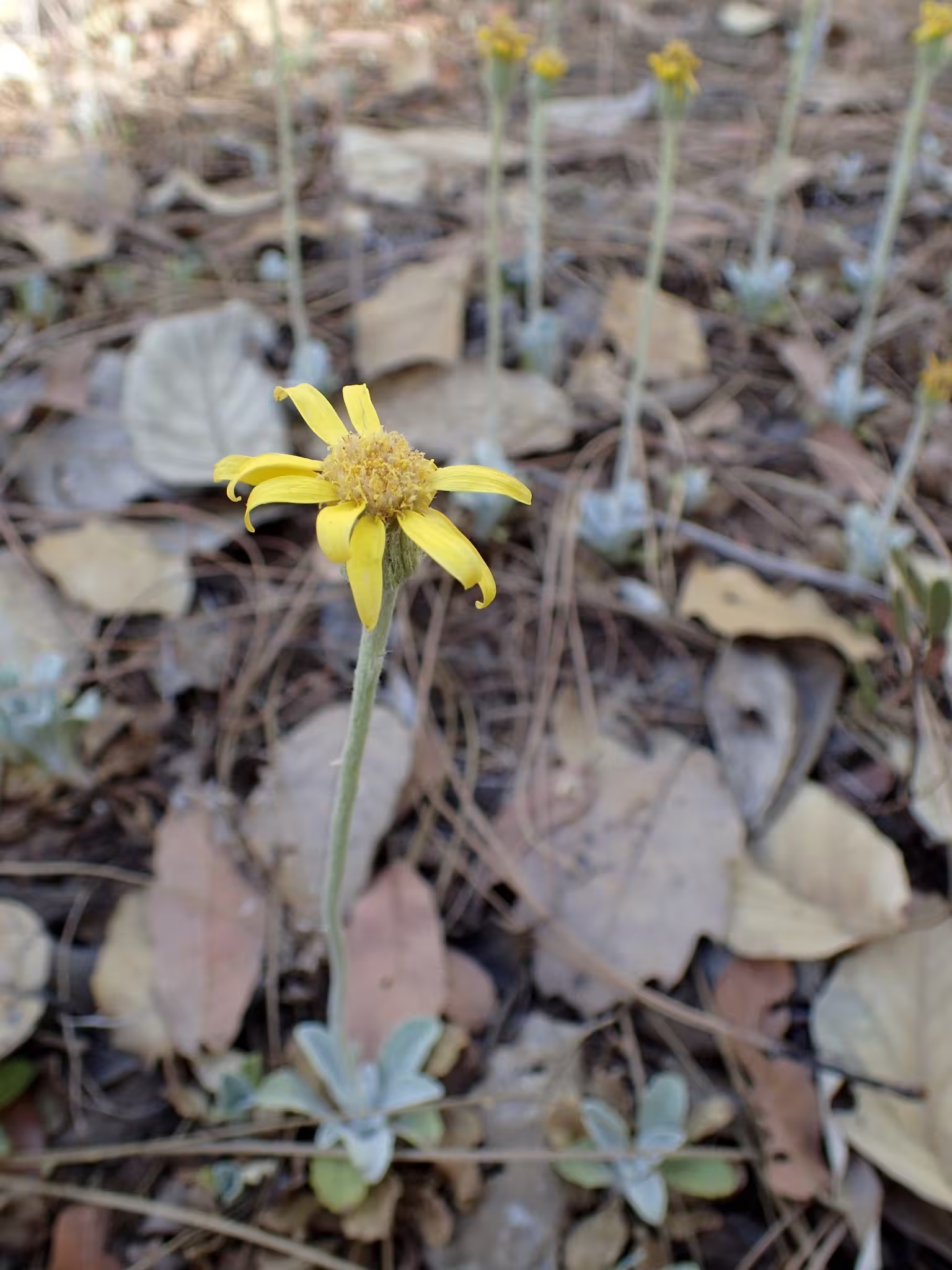
- Plant Type: This plant is a herbaceous perennial.
- Height: 0.2 ft (0.07 m) to 1.3 ft (0.4 m)
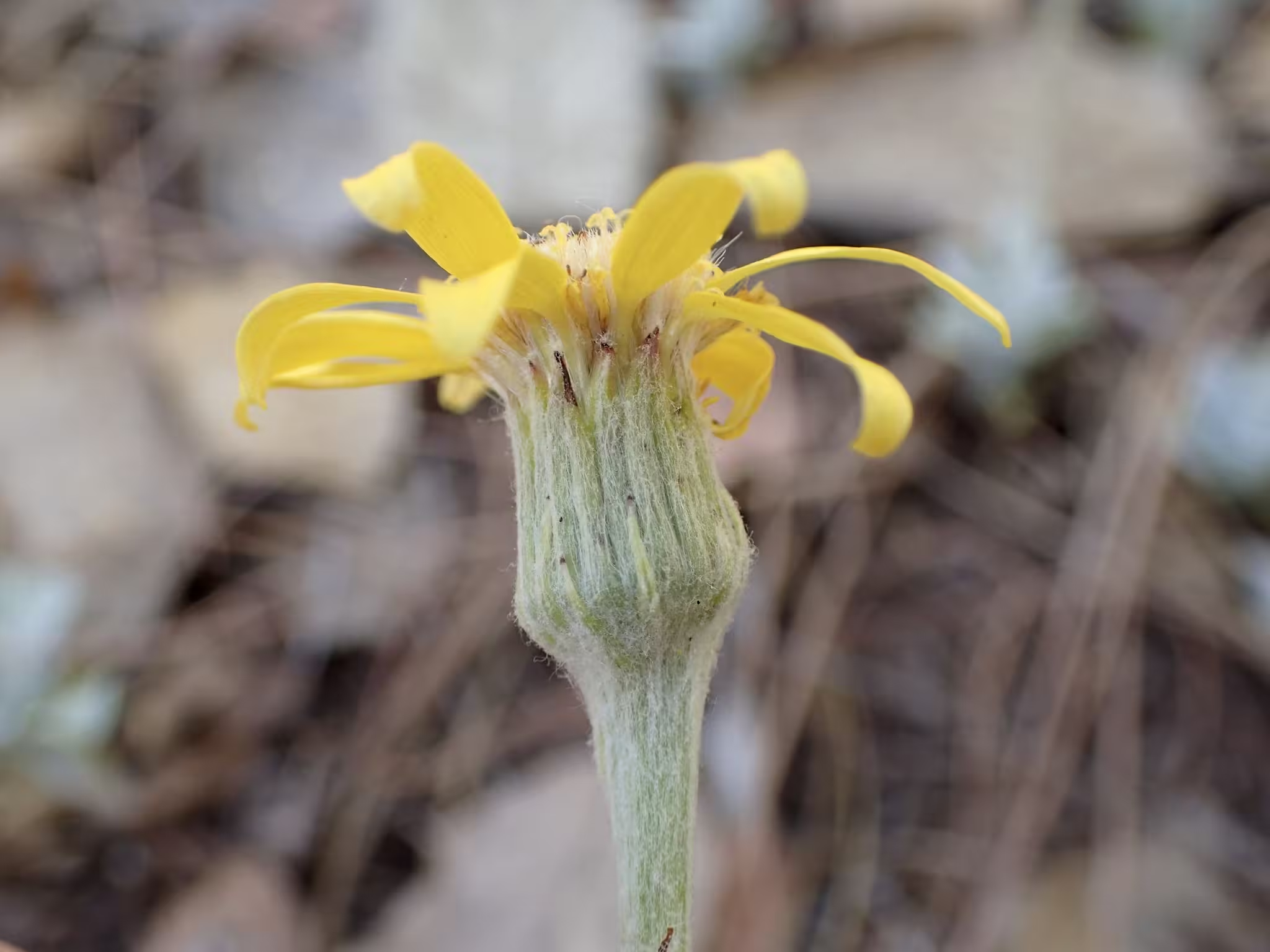
- Stem: The stems are erect, and tomentose (Flora of North America).
- Leaves: The leaves are alternate, with mostly basal leaves, obovate, and have sub-entire margins (cauline) to crenate-dentate (basal) (Greene 1883). They are 1 in (2 cm) to 4 in (10 cm) long and 0.5 in (1 cm) to 1.2 in (3 cm) wide (Flora of North America)
- Flower color: yellow
- Blooming period: This plant blooms from May to August.
- Fruiting type and period: This plant has achenes that mature in the late fall and winter.
Range of Flagstaff Ragwort in the United States and Canada
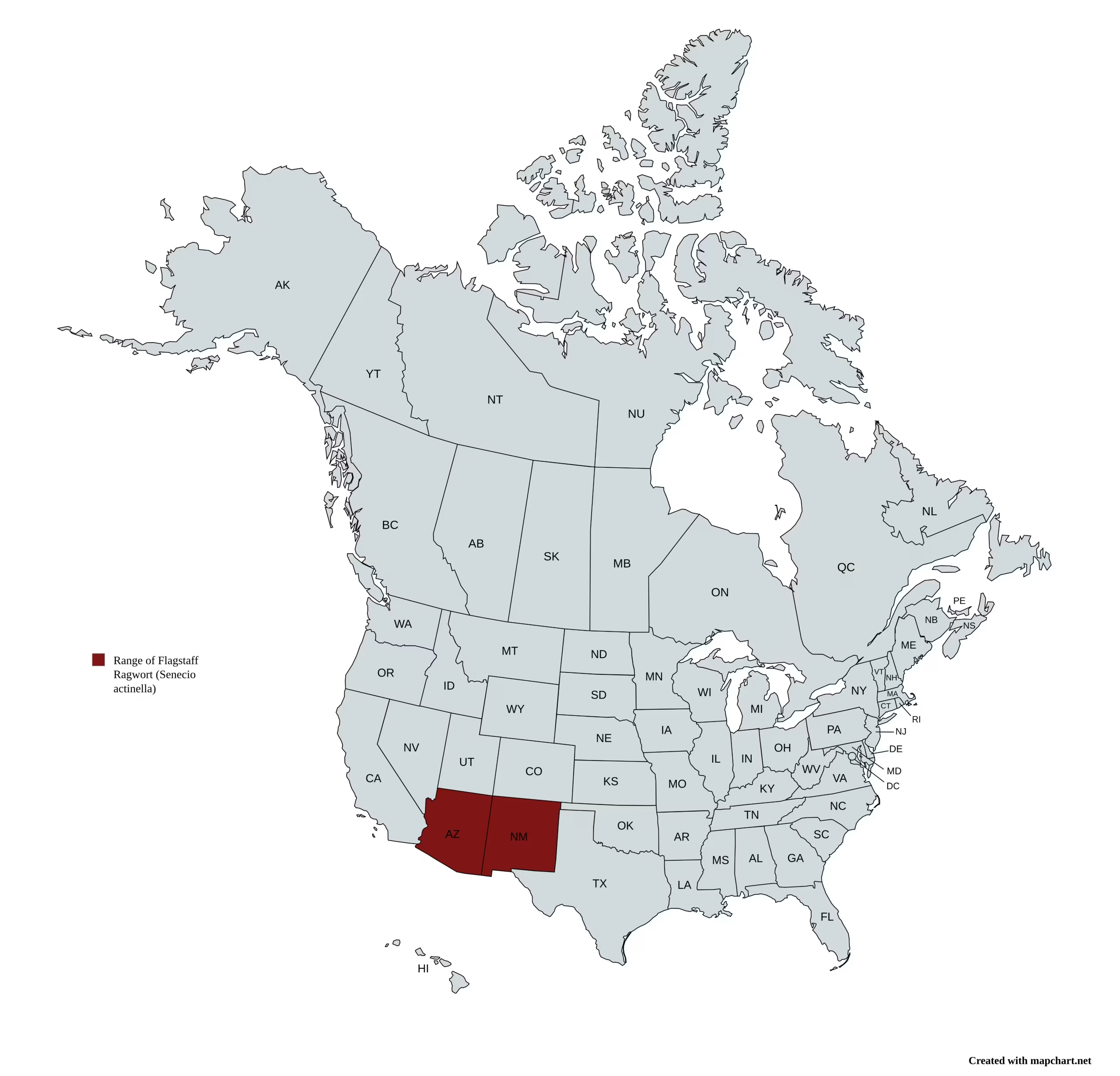
This ragwort species is native in the states of Arizona and New Mexico. It is generally found above 5,500 ft (Kearney and Peebles 1942).
Habitat
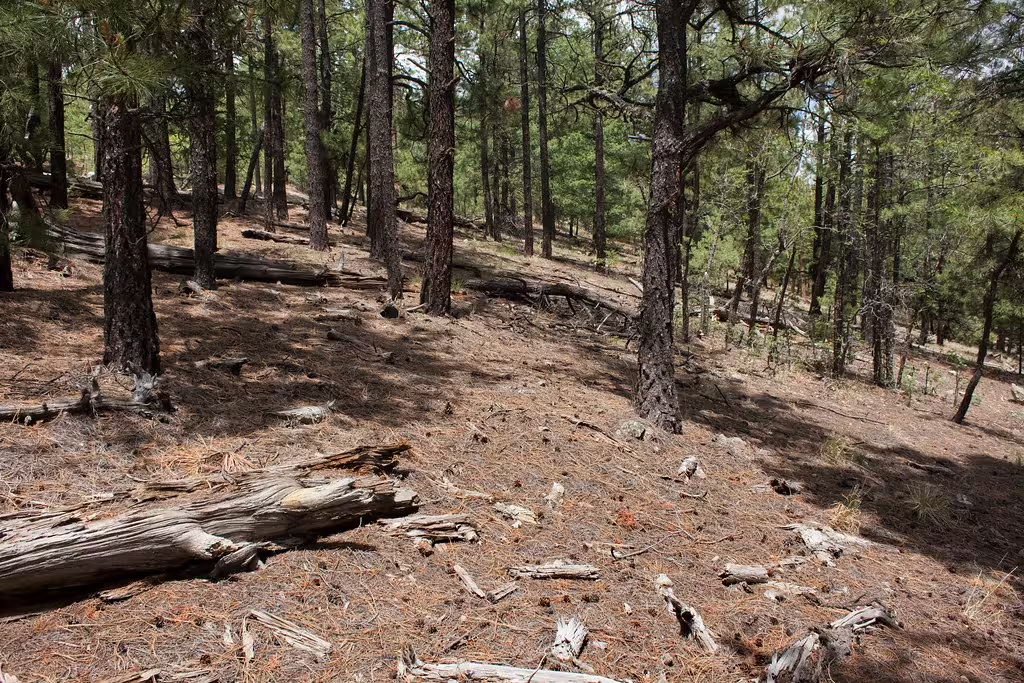
This species grows in rocky wooded pinelands.
Hosted Insects
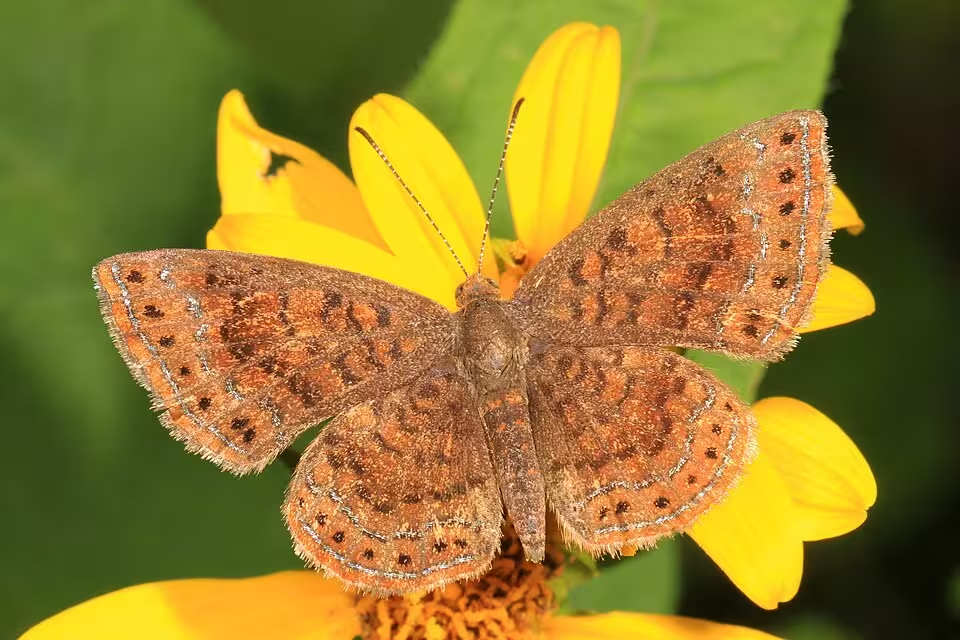
This ragwort, like other ragworts, is a host to three butterflies. These include: the northern metalmark (Calephelis borealis), American lady (Vanessa virginiensis), and the painted lady (V. cardui).
Other Supported Wildlife
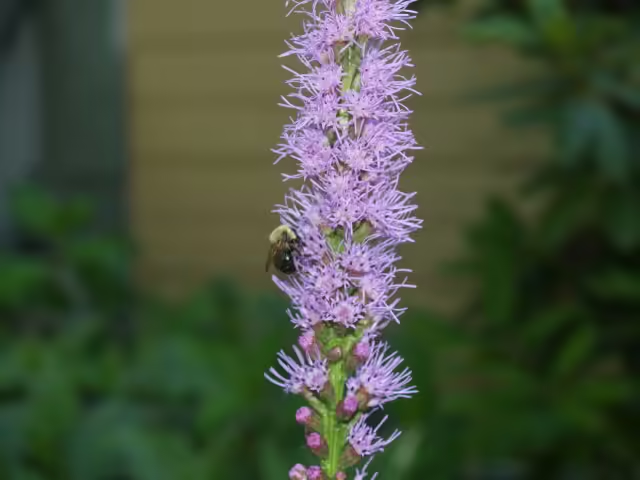
This species is a nectar source to other butterflies, skippers, bees, and wasps during the growing season.
Frequently Asked Questions
Does this plant have any ethnobotanical uses?
The North American Ethnobotany Database does not show any uses for this species, but the genus in general has been used for colds, skin diseases, gynecological aid, and for fibers.
How is this plant distinguished from other Ragworts?
This ragwort has a limited distribution in Arizona and New Mexico. It can be told from other ragworts by the rhizomatous roots, glabrous phyllaries, and it has smaller leaves and disc flowers. This species also has crenate-dentate leaves that serve to identify it.
Is this plant invasive?
This species has not been noted as being weedy.
Gardening with Flagstaff Ragwort
Hardiness
This species is hardy in zones 6-7. If your garden is within these zones and you have the right growing conditions (soil, moisture and exposure), you may well be able to grow this plant. However, if planted outside of its range, the hosted species may not recognize the plant or be harmed by ingesting a different species with an unfamiliar chemical composition.
Optimal Conditions
This species requires full sun and medium to dry well-drained soils.
References
- Greene, Edward. 1883. New Western Compositae. Bulletin of the Torrey Botanical Club 10:86-89.
- Kearney, Thomas H. and Robert H. Peebles. 1942. Flowering Plants and Ferns of Arizona. USDA Vol. 43.