Table of Contents
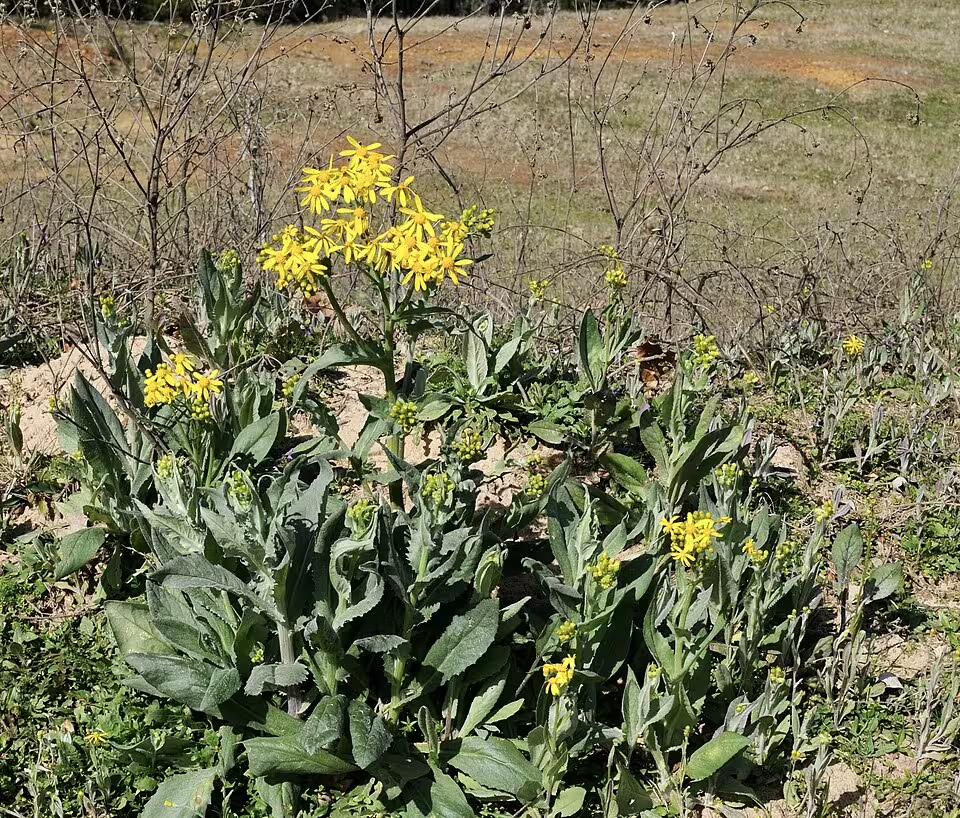
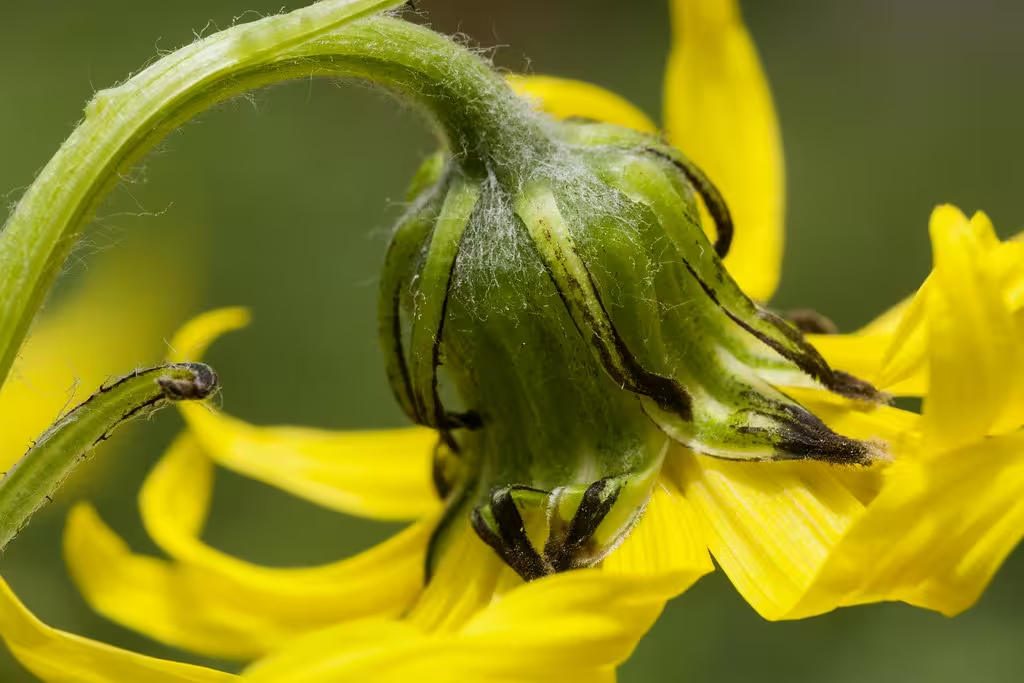
Showy alpine ragwort (Senecio amplectens) is a herbaceous perennial that is native in the Rocky Mountain States. This species is a host to the northern metalmark (Calephelis borealis), American lady (Vanessa virginiensis), and the painted lady (V. cardui) butterflies. Growing from 0.2 feet to 2.0 feet tall, this species grows in rocky pinelands. The yellow flowers bloom from June to August and the plant is hardy roughly in zones 3-7.
Taxonomy and Naming of Showy Alpine Ragwort (Senecio amplectens)
Taxonomy
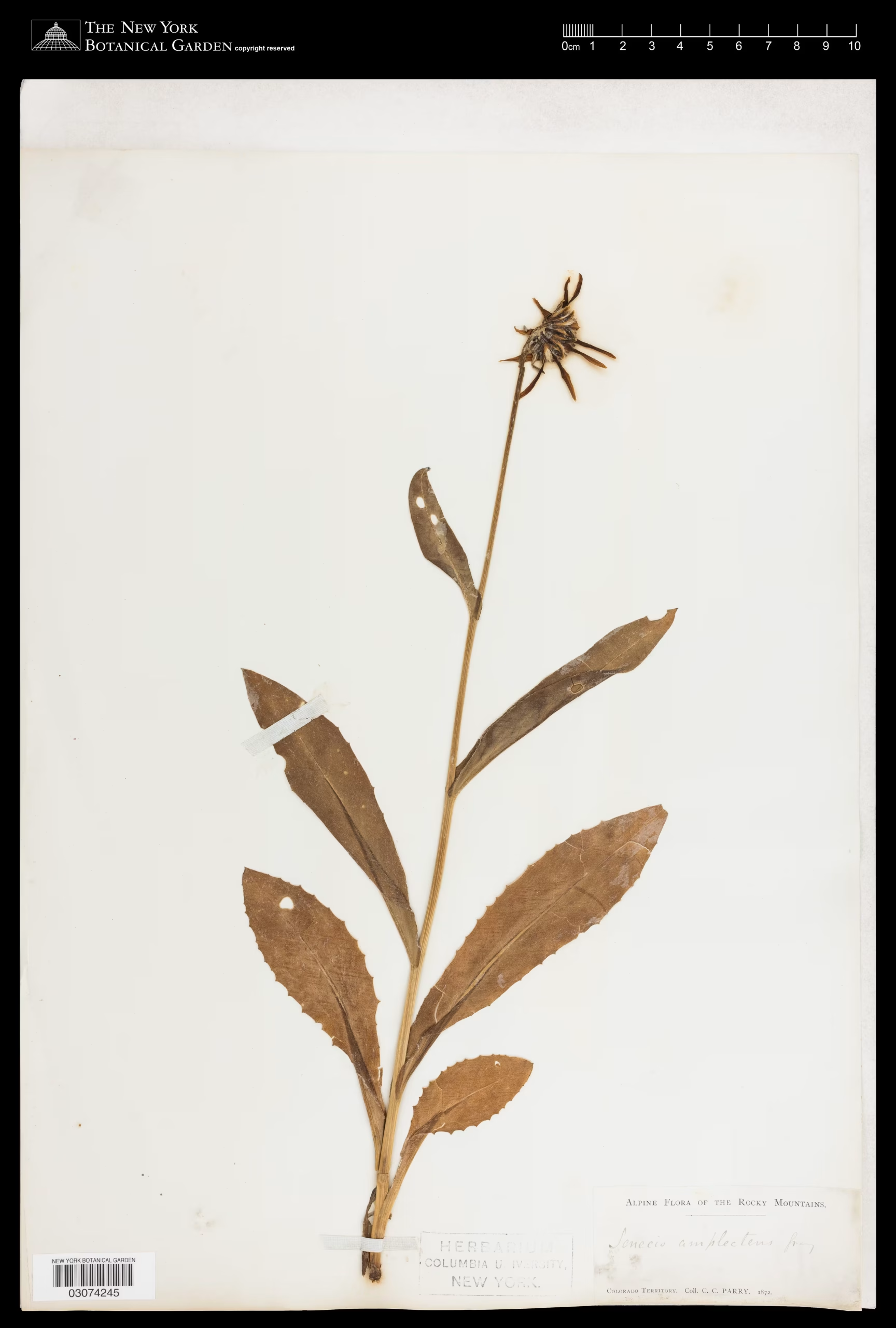
Showy Alpine Ragwort (Senecio amplectens) was originally named and described by Asa Gray, an American botanist in 1862. It has kept this same name since and is a member of the Aster Family (Asteraceae).
Meaning of the Scientific and Common Names
Scientific Name
The genus name, Senecio, derives from the Latin “Senex,” which means “old man” (Wikipedia). The species name, amplectens, comes from the Latin meaning “to embrace or surround.”
Common Name and Alternative Names
The common name comes from the common growing location of the species. Alternative names include alpine groundsel (Welsh 1983) and clasping groundsel (Jones 2001).
Physical Description
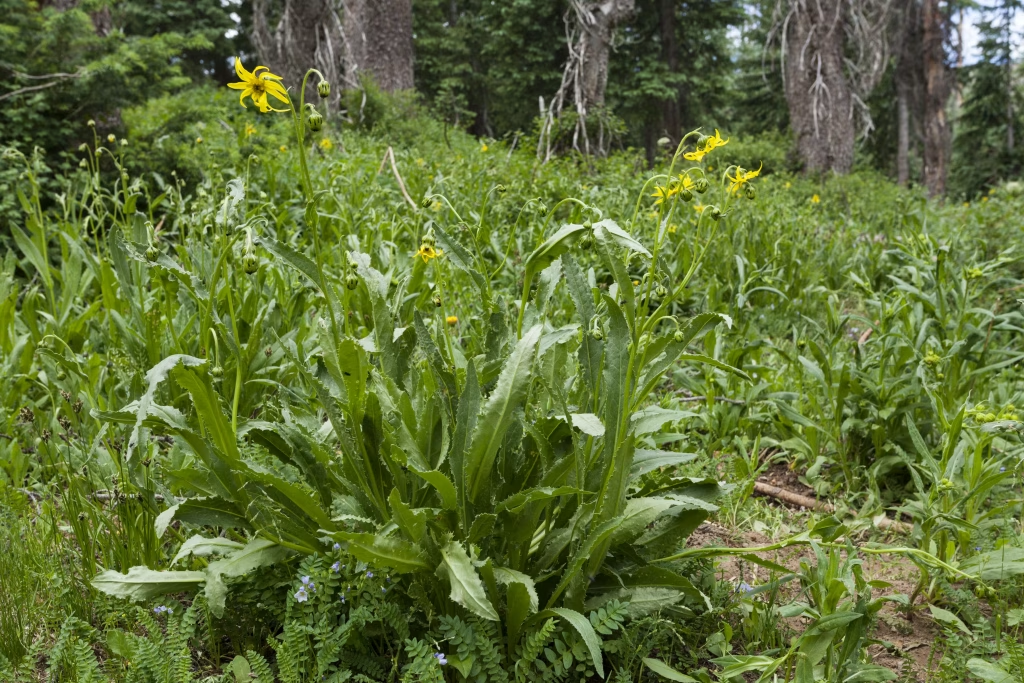
- Plant Type: This plant is a herbaceous perennial.
- Height: 0.2 ft (0.05 m) to 2.0 ft (0.6 m)
- Stem: The stems are erect, and glabrous (non-hairy) (Flora of North America).
- Leaves: The leaves are alternate, with mostly basal leaves, lanceolate to oblanceolate, and serrate margins. The petioles are narrowed or winged (Porter and Conrad 1874). They are 2 in (5 cm) to 8 in (20 cm) long and 0.8 in (2 cm) to 2 in (5 cm) wide (Flora of North America). The leaves are mostly cauline in var. amplectens and basal in var. holmii.
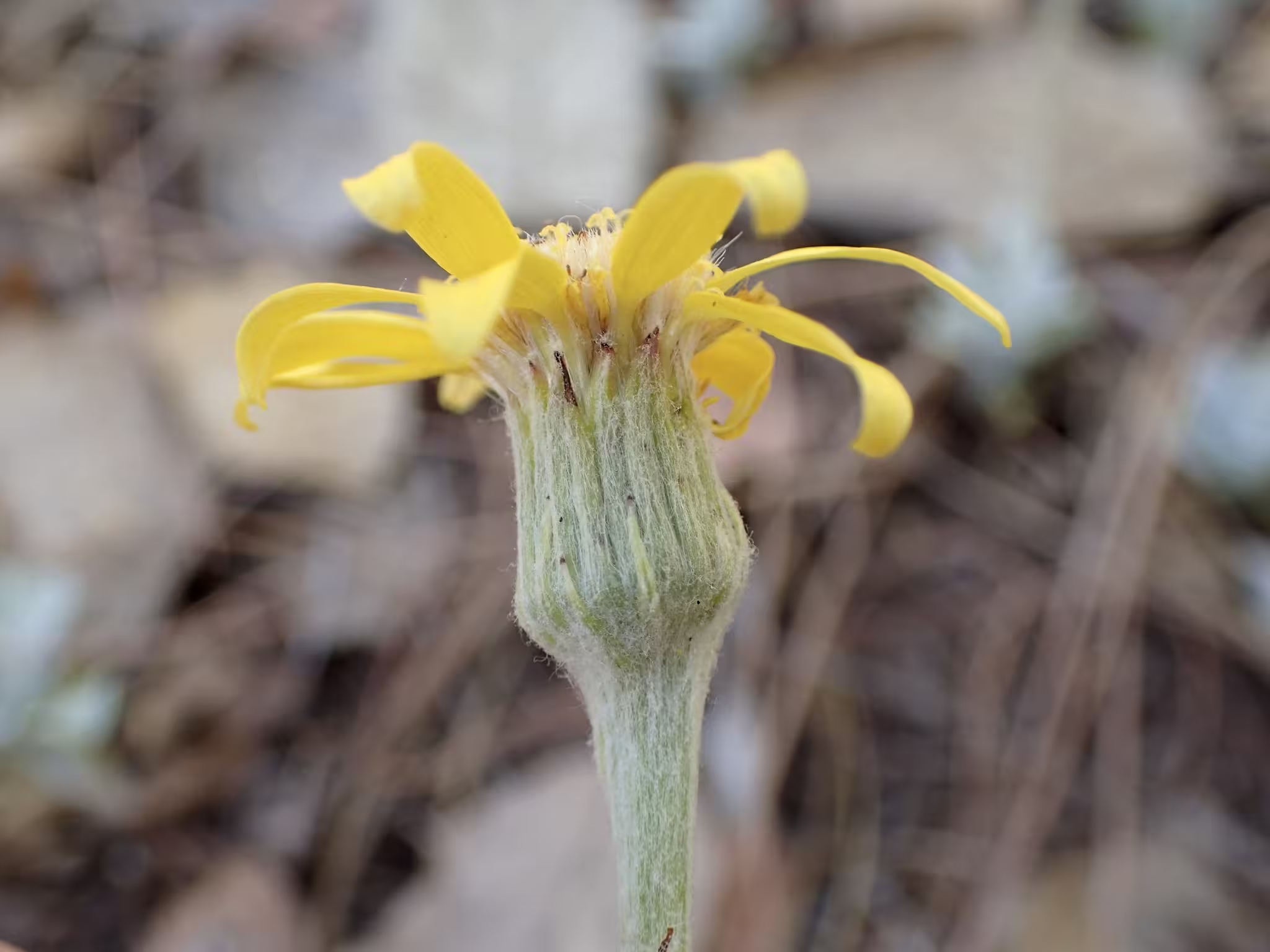
- Flower color: yellow
- Blooming period: This plant blooms from June to August.
- Fruiting type and period: This plant has achenes that mature in the late fall and winter.
Range of Showy Alpine Ragwort in the United States and Canada
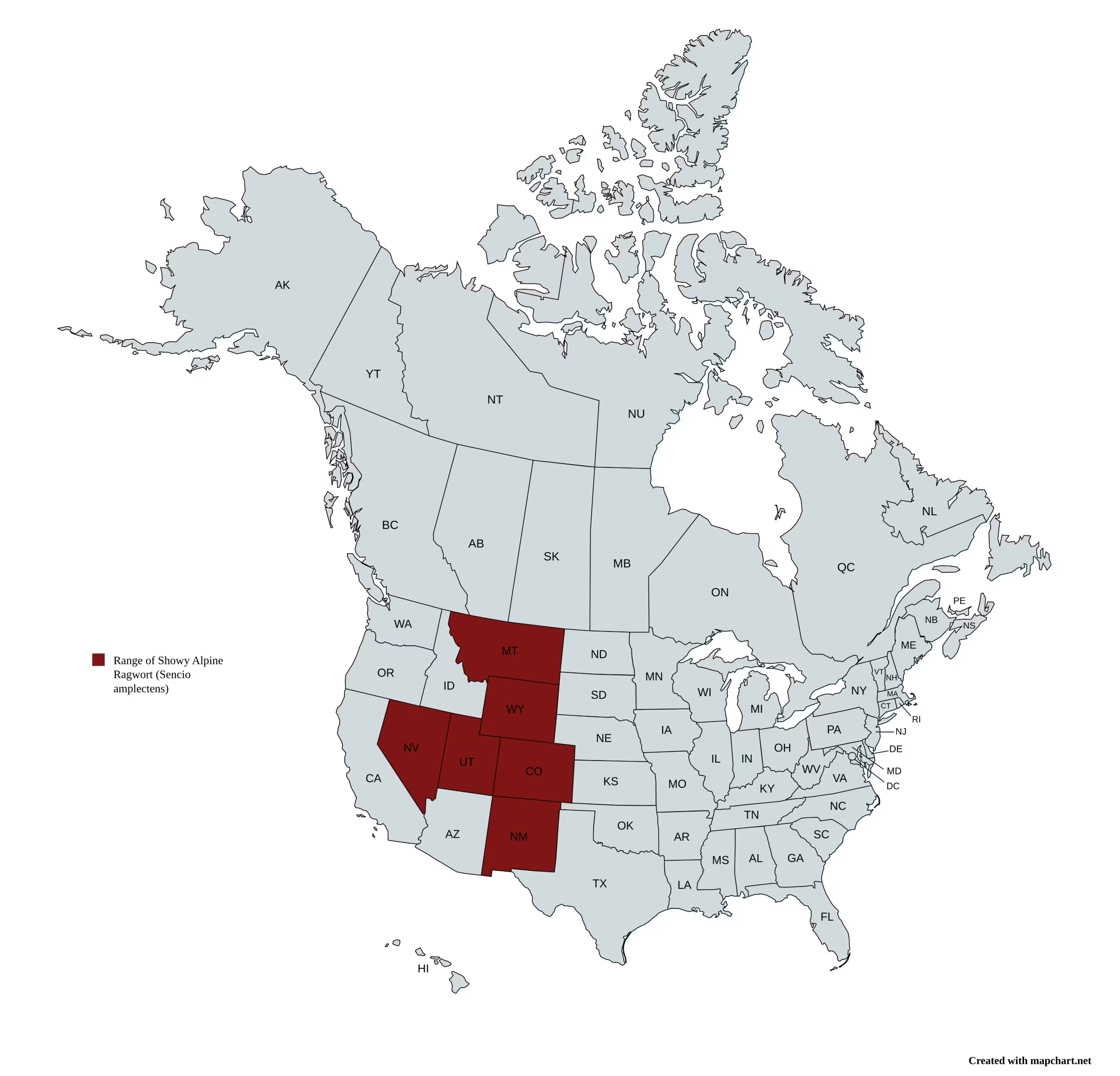
This ragwort species is native in the western United States except the coastal states. It is generally found in alpine areas and the treeline.
Habitat
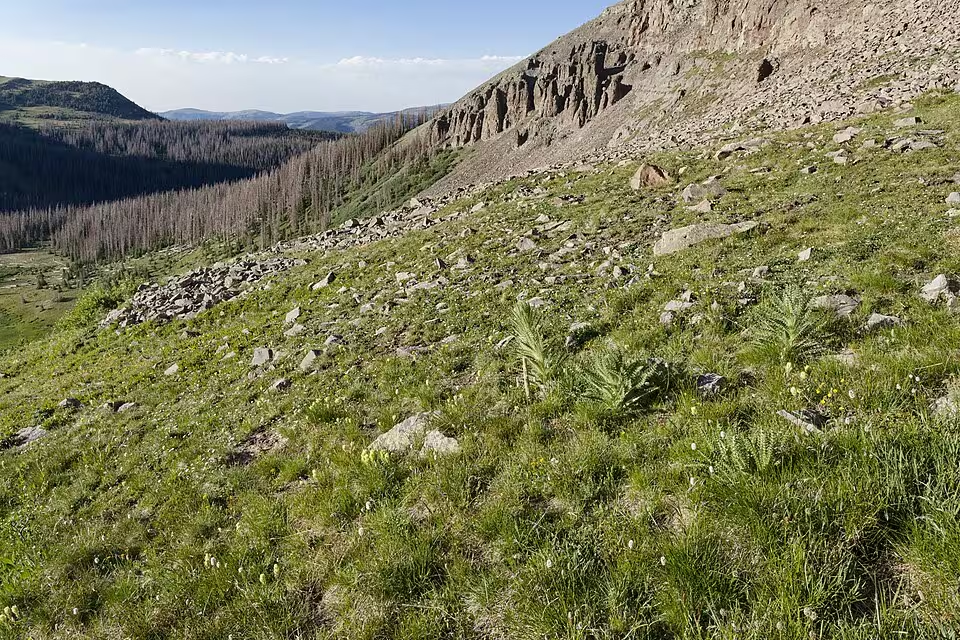
This species grows in rock crevices (Hartman and Rottman 1986), scree slopes (Sivinski, et al 1995), talus slopes at the treeline (Lesica 1993), and wet meadows (var. amplectens) and dry meadows (var. holmsii) (Hartman and Rottman 1987).
Hosted Insects
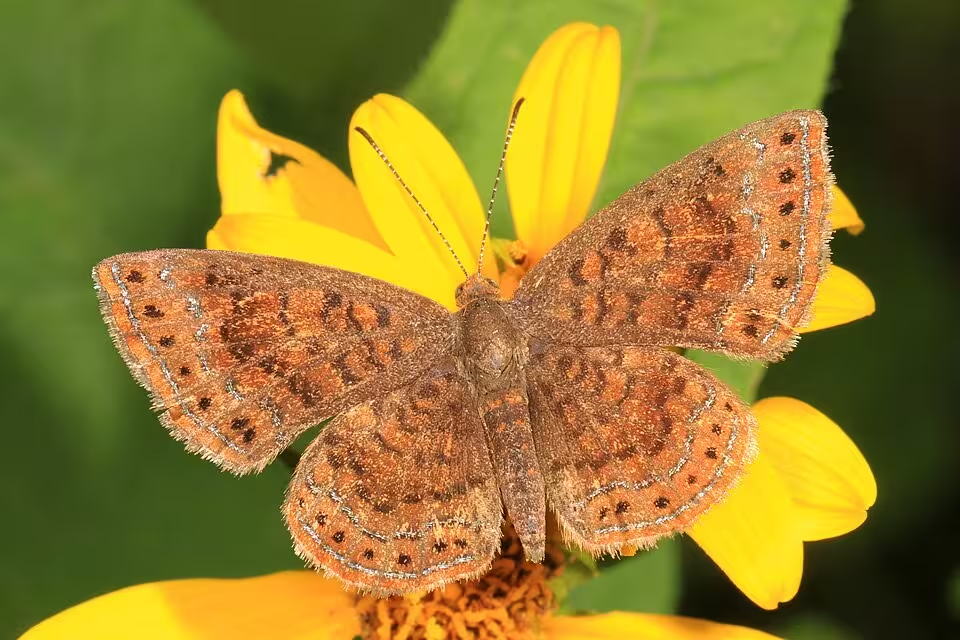
This ragwort, like other ragworts, is a host to three butterflies. These include: the northern metalmark (Calephelis borealis), American lady (Vanessa virginiensis), and the painted lady (V. cardui).
Other Supported Wildlife
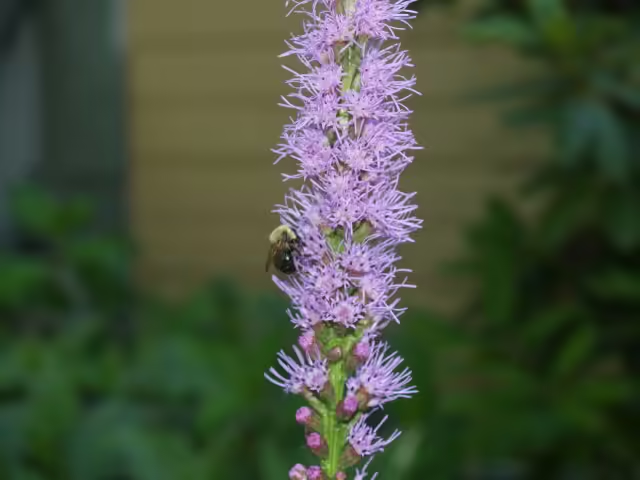
This species is a nectar source to other butterflies, skippers, bees, and wasps during the growing season.
Frequently Asked Questions
Does this plant have any ethnobotanical uses?
The North American Ethnobotany Database does not show any uses for this species, but the genus in general has been used for colds, skin diseases, gynecological aid, and for fibers.
Is this plant invasive?
This species has not been noted as being weedy.
Gardening with Showy Alpine Ragwort
Hardiness
This species is hardy in zones 3-7. If your garden is within these zones and you have the right growing conditions (soil, moisture and exposure), you may well be able to grow this plant. However, if planted outside of its range, the hosted species may not recognize the plant or be harmed by ingesting a different species with an unfamiliar chemical composition.
Optimal Conditions
This species requires full sun to partial shade and medium to dry well-drained soils.
References
- Hartman, Emily L. and Mary Lou Rottman. 1987. Alpine Vascular Flora of the Ruby Range, West Elk Mountains, Colorado. The Great Basin Naturalist 47: 152-160.
- Hartman, Emily L. and Mary Lou Rottman. 1986. The Vascular Flora of Five Rock Glaciers in the San-Juan Mountains Colorado USA. Phytologia 60: 225-236.
- Jones, Marc W. 2001. Ecologically significant wetlands in the Upper Yellowstone River watershed: including the Boulder, Clarks Fork, Yellowstone, Shields, and Stillwater River drainages. Montana Natural Heritage Program.
- Lesica, Peter. 1993. Vegetation and flora of the Line Creek Plateau area, Carbon County, Montana. Montana Natural Heritage Program.
- Porter, Thomas C. and John Merle Coulter. 1874. Synopsis of the flora of Colorado. US Printing Office.
- Sivinski, Robert, Timothy Lowrey, and Charles Keller. 1995. Additions to the Floras of Colorado and New Mexico. Phytologia 79: 319-324.
- Welsh, Stanley. 1983. Utah Flora: Compositae (Asteraceae). The Great Basin Naturalist 43: 179-357.